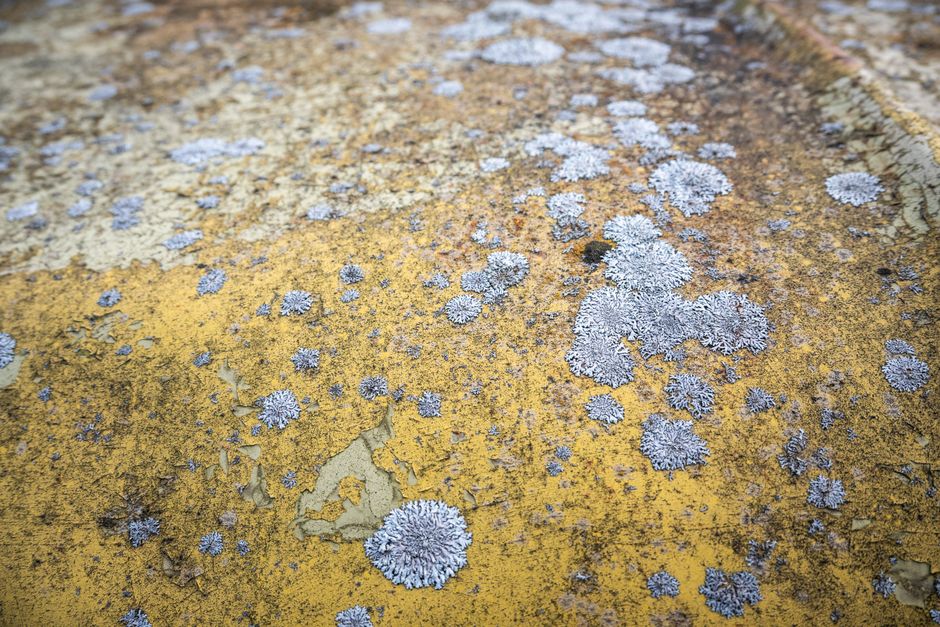
Flat roof mould removal and cleaning access issues Tolworth
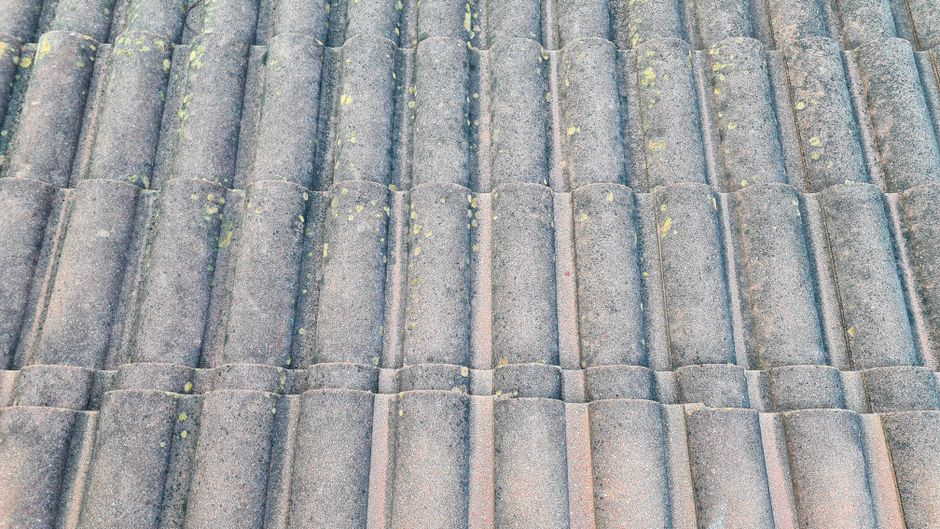
If you are dealing with a damp, patchy, or visibly stained flat roof, you already know the awkward part: getting to it safely is often half the battle. Flat roof mould removal and cleaning access issues Tolworth is not just a maintenance job; it is a mix of safety planning, careful cleaning, and knowing when access constraints make a simple job suddenly complicated. In Tolworth, where homes, extensions, garages, shopfronts, and shared buildings can all have different roof layouts, the practical side matters as much as the cleaning itself.
This guide walks through what mould on a flat roof actually means, why it keeps coming back, how access problems affect the job, and what a sensible, safe approach looks like. You will also get a checklist, a comparison table, and a realistic example so you can decide your next step without guesswork. And yes, sometimes the hardest part really is just reaching the thing in the first place.
Why Flat roof mould removal and cleaning access issues Tolworth Matters
Mould on a flat roof is usually a sign that moisture is hanging around too long. That might be due to poor drainage, shaded sections that never dry properly, trapped debris, damaged felt or membrane edges, or even a gutter that is quietly misbehaving in the background. The mould itself may look like a cosmetic issue, but the underlying cause often points to a maintenance problem that can turn expensive if ignored.
Access is the other half of the story. With flat roofs, you are often dealing with awkward rear extensions, narrow side passages, neighbouring boundaries, height changes, skylights, fragile surfaces, or roof edges that simply do not allow casual movement. In Tolworth, many properties have compact outdoor spaces and close-set buildings, which can make ladder positioning and safe reach a real concern. The roof may be small. The access may not be.
Left alone, roof mould can stain surfaces, hold extra moisture, and make inspection harder. It can also hide cracks, pooling, or early signs of deterioration. That is why a proper cleaning approach is not just about removing the dark patches. It is about seeing the roof clearly, reaching it safely, and preventing the same conditions from building up again.
Expert summary: if you cannot access a flat roof safely, the job should be treated as an access and risk problem first, and a cleaning job second. That order matters.
How Flat roof mould removal and cleaning access issues Tolworth Works
The cleaning process starts with an inspection, not with scrubbing. A good technician will look at the roof finish, check for obvious standing water, note visible mould or algae, and assess how the roof can be reached without putting people or property at unnecessary risk. That might mean using a stable ladder, access tower, roof-safe walking routes, or choosing not to step on the surface at all if it is fragile.
Mould removal on flat roofs is usually a controlled cleaning process rather than a heavy, aggressive wash. The aim is to loosen and remove organic growth without forcing water under edges, damaging membranes, or creating runoff that could stain walls and paving below. On many roof types, a softer approach is better than the dramatic one. Pressure is not always your friend. In fact, it can be the troublemaker.
Access issues change how the work is carried out. For example, a roof above a narrow alley may need a different setup from a roof over a garage with side access. A building with a shared driveway may require consideration for neighbours, vehicles, and safe equipment placement. If the surface cannot be reached safely, the right move is usually to adapt the method rather than push ahead and hope for the best.
If the roof is part of a broader property maintenance plan, it can make sense to combine the visit with other cleaning tasks. For example, a wider exterior care schedule may include window cleaning or deep cleaning elsewhere in the property, which can be efficient when access is already being arranged.
What usually happens on site
- Access is assessed and the safest route is chosen.
- The roof surface is checked for mould, algae, pooling, and weak points.
- Loose debris is removed first so cleaning is more effective.
- A suitable cleaning solution or method is applied carefully.
- The surface is treated, rinsed or wiped as appropriate, and inspected again.
- Any access limitations, drainage issues, or maintenance concerns are noted.
Key Benefits and Practical Advantages
The obvious benefit is visual improvement. A cleaner flat roof looks better, and that matters more than people sometimes admit, especially if it is visible from upper windows, neighbouring properties, or a rear extension used every day. But the stronger value is in maintenance.
- Better condition checks: once mould and grime are reduced, cracks, lifting edges, and standing water are easier to spot.
- Lower moisture hold: removing organic buildup can help the roof dry more evenly after rain.
- Reduced slip and mess risk: debris and biological growth can make surfaces unsafe during inspection or light maintenance.
- Improved property presentation: useful for landlords, sellers, and commercial premises.
- More informed repairs: a clean surface makes it easier to judge whether you need maintenance or just a better cleaning routine.
There is also a planning benefit. Once access issues have been mapped out properly, future visits become easier. That can save time, reduce disruption, and lower the chance of rushed decisions on the day. To be fair, nobody enjoys setting up the same awkward ladder arrangement twice.
Who This Is For and When It Makes Sense
This topic tends to matter most for homeowners with flat-roof extensions, landlords managing rented homes, small business owners with rear access roofs, and property managers responsible for shared or hard-to-reach buildings. It also comes up when mould is visible from the ground, when gutters keep overflowing, or when someone notices a musty smell after wet weather and suspects the roof may be involved.
It makes sense to look into this sooner rather than later if:
- the roof collects damp patches after rain
- mould or algae keeps reappearing in the same place
- access to the roof is tight, steep, or unsafe without equipment
- you need to prepare a property for sale, tenancy, or inspection
- you have noticed water running oddly at the edges or near outlets
Some people only think about roof cleaning after a visible black patch appears. Others notice it because a neighbour points it out, which is never the ideal moment but it does happen. If the building has ongoing cleaning needs beyond the roof, services like regular cleaning or house cleaning can help keep the wider property under control while roof issues are dealt with separately.
Step-by-Step Guidance
A structured approach makes the job safer and more predictable. Here is the practical version, without the fluff.
1. Assess the roof and the route to it
Start with the obvious questions: How do you get to the roof? Is there safe ladder placement? Are there fragile coverings, nearby electrics, or narrow access points? The answer to these questions often determines the entire method.
2. Identify the type of growth
Mould, algae, moss, and general dirt are related, but they do not always behave the same way. A dark stain on a flat roof might be organic growth, pollution residue, or a combination of both. Knowing what you are dealing with helps avoid using the wrong approach.
3. Clear loose debris first
Leaves, twigs, grit, and dirt hold moisture. Removing them first makes the cleaning more effective and helps expose drainage channels or pooling areas.
4. Choose a safe cleaning method
The best method depends on the roof material. A gentle application is often safer than harsh pressure. Aggressive washing can force water where it should not go, especially around seams, flashing, and joins.
5. Work from the safest position possible
Sometimes that means staying at the edge, sometimes it means using access equipment, and sometimes it means not proceeding until proper access is arranged. This is one of those times when caution is not overkill. It is common sense.
6. Inspect for underlying issues
Once the surface is cleaner, check whether water is pooling or whether mould growth lines up with a drainage problem, a shaded area, or a damaged section. If the same patch keeps returning, there is usually a reason.
7. Plan prevention
Cleaning is only half the win. Trim overhanging debris where relevant, keep outlets clear, and set a review schedule if the roof is prone to dampness. A bit of prevention saves a lot of future hassle.
Expert Tips for Better Results
In our experience, the best results usually come from a calm, methodical job rather than a fast, dramatic one. Flat roofs punish impatience. They really do.
- Inspect in daylight. Early morning or late afternoon light can help you see staining, rippling, and standing water more clearly.
- Avoid over-wetting edges. Edges, seams, and joints deserve a lighter touch.
- Use the roof as a clue, not just a surface. Repeated mould in one corner often tells you something about drainage or shade.
- Check access before booking. A good quote depends on realistic access details, not hopeful assumptions.
- Keep nearby areas protected. Pathways, walls, and paving can pick up runoff if the work is not controlled.
If the roof belongs to a workplace or shared building, good coordination matters even more. For that kind of site, planning around occupants and timings is often as important as the cleaning itself. A service like commercial cleaning may not be roof-specific, but the same general discipline around scheduling and access control applies.
One small but useful habit: take before-and-after photos for your own records. Nothing fancy. Just enough to compare what changed and to spot whether the same problem keeps creeping back in three months later.
Common Mistakes to Avoid
Most roof-cleaning problems are not exotic. They are usually basic mistakes repeated in a hurry.
- Using too much pressure: this can damage surfaces and push water into places you cannot see.
- Ignoring access limits: if you have to stretch awkwardly, balance badly, or improvise, stop and rethink.
- Cleaning without checking drainage: mould often returns because the roof is still holding moisture.
- Skipping a surface inspection: a clean roof is useful, but not if you miss a cracked area underneath.
- Not protecting lower areas: run-off can leave marks on walls, windows, and paths.
- Assuming every dark patch is mould: not always. Misreading the problem can lead to the wrong treatment.
Another mistake is treating access as an afterthought. The roof might be easy to see from the garden, but that does not mean it is easy or safe to reach. If the only route feels like a small adventure story, that is usually your cue to pause.
Tools, Resources and Recommendations
For straightforward low-risk jobs, the main tools are often simple: a stable access method, suitable brushing or wiping tools, a cleaning solution appropriate for the roof surface, PPE, and a way to remove debris safely. The exact setup should match the roof material and access conditions, not just the size of the stain.
Useful things to have or arrange include:
- safe ladder access or alternative working platform
- non-slip footwear
- gloves and eye protection
- soft brushes or low-abrasion tools
- collection bags or debris containers
- photos for inspection records
- a clear plan for runoff and surrounding surfaces
If the property has delicate interiors that also need attention after roof work or building disruption, it may help to schedule broader interior maintenance through one-off cleaning or move out cleaning where appropriate. That is not about the roof itself, of course, but it can make the overall job day smoother.
Recommendation-wise, the safest approach is usually to be honest about the roof's access limits from the outset. If the entry point is awkward, if the roof covering feels fragile, or if you cannot see the whole area clearly, that is valuable information. Not a nuisance. Information.
Law, Compliance, Standards, or Best Practice
For this kind of work in the UK, the main thing to understand is that safety comes first. There are well-established expectations around working at height, using appropriate equipment, and avoiding unnecessary risk. The exact legal duties can vary depending on whether the work is domestic, commercial, or part of a managed building, but the principle stays the same: if access is unsafe, the job should not be forced.
In practical terms, that means a competent cleaner or contractor should consider:
- whether the task can be completed without stepping onto the roof
- how to reduce fall risk and equipment slip risk
- whether the roof surface can bear weight safely
- how to protect other parts of the property from runoff or debris
- whether the job should be delayed until proper access is available
Good practice also includes clear communication with the property owner or manager before work starts. That should cover access points, likely limitations, expected disruption, and any visible issues that may need follow-up. If you are comparing providers, it is sensible to look at their stated safety approach, such as the information set out in an insurance and safety statement and the site's health and safety policy.
There is no benefit in pretending access is simple when it is not. Good compliance is often just good judgement with paperwork behind it.
Options, Methods, or Comparison Table
Different roofs and access conditions call for different approaches. The table below gives a practical comparison, not a one-size-fits-all rule.
| Method | Best for | Pros | Limits |
|---|---|---|---|
| Manual soft cleaning | Light mould, delicate surfaces, tighter access | Controlled, low risk to surface, easy to target small areas | Slower on large roofs, may need repeat treatment |
| Low-pressure treatment | Moderate mould and broader surface coverage | Balances cleaning power with surface protection | Still needs careful setup and drainage awareness |
| Access equipment-supported cleaning | Hard-to-reach roofs, awkward boundary layouts | Better reach, safer working position, improved inspection | Requires planning and may take longer to arrange |
| Deferred or limited access cleaning | Fragile roofs or unsafe access conditions | Reduces risk, avoids damage | May not fully solve the issue until proper access is available |
For many Tolworth properties, the decision is less about which cleaning product to use and more about which access approach is realistic. That sounds obvious, but it is the bit people skip until the ladder is already out.
Case Study or Real-World Example
Here is a realistic example. A homeowner in Tolworth has a flat roof over a rear extension. From the patio, the roof looks stained at the far edge, with a darker patch near the gutter line. The area is reachable only through a narrow side passage, and there is a low fence beside the route. On the first look, it seems like a quick clean. But once the access is assessed, the safer choice is to work from a controlled position rather than step onto the roof casually.
The technician clears loose leaves, checks the roof edge and drainage line, and uses a gentle treatment rather than a heavy wash. Once the surface is cleaned, it becomes clear that the darkest staining had been caused by repeated dampness around a poor-draining section. The mould is removed, but the real value is in spotting the pattern. Without that, the same patch would probably return after the next wet spell.
The homeowner also realises that the route to the roof needs to be kept clear for future checks. Not glamorous, admittedly. But a lot less stressful the second time around. That is usually how these jobs go in real life: one part cleaning, one part learning what the building has been trying to tell you.
Practical Checklist
Use this checklist before arranging or carrying out flat roof mould removal and cleaning access issues Tolworth.
- Have you identified how the roof will be reached safely?
- Is the roof surface likely to be fragile, slippery, or uneven?
- Have you checked for pooling water, blocked drainage, or debris?
- Do you know whether the visible staining is mould, algae, or general grime?
- Are surrounding walls, paths, and windows protected from runoff?
- Have you chosen a method suitable for the roof material?
- Is there a plan if the roof cannot be accessed safely on the day?
- Have you noted any repeat problem areas for future monitoring?
- Do you need supporting property cleaning elsewhere, such as domestic cleaning or after builders cleaning?
- Have you checked the provider's pricing, safety, and terms before booking?
A small checklist like this saves a surprising amount of back-and-forth. And it tends to prevent the kind of "we thought the other side had access" confusion that no one wants at 8:30 on a rainy morning.
Conclusion
Flat roof mould removal and cleaning access issues Tolworth is really about two jobs happening together: removing the growth you can see and managing the access constraints that make the job safe and effective. If you get the access wrong, everything becomes harder. If you ignore the moisture source, the mould may well come back. The sweet spot is a careful, practical clean that respects the roof, the property, and the people working on it.
The good news is that most flat roof problems become much easier once they are properly assessed. You do not need a dramatic solution; you need the right one. A sensible plan, a safe route, and a clean surface can make a very noticeable difference, and often with less disruption than people expect.
Get a free quote today and see how much you can save.
Frequently Asked Questions
What causes mould on a flat roof?
It usually appears when moisture stays on the roof for too long. Common causes include poor drainage, debris, shade, trapped damp, and surfaces that do not dry evenly after rain.
Is mould on a flat roof dangerous?
The mould itself is often more of a maintenance warning than an emergency, but it can signal hidden damp issues or surface deterioration. If left alone, the underlying problem may become more serious.
Can I clean a flat roof myself?
Sometimes, yes, if the access is safe, the roof is low-risk, and you understand the material you are working on. But if the roof is fragile, high, awkward to reach, or near boundaries, it is usually better to avoid improvising.
Why are access issues such a big deal for flat roof cleaning?
Because the roof might be easy to see but hard to reach safely. Tight side passages, fragile edges, height, and nearby obstacles can make what looks like a simple task much more complicated.
Will pressure washing remove mould from a flat roof?
It might remove surface dirt, but pressure can also damage the roof covering or drive water into joints. A gentler, surface-appropriate method is usually safer.
How do I know if the problem is mould or algae?
They can look similar at a glance. Mould often appears as dark patchy growth, while algae can create green or dark staining. A proper inspection helps avoid guessing.
Should flat roof cleaning include drainage checks?
Yes, absolutely. If drainage is blocked or pooling water is present, mould may keep coming back. Cleaning the surface without addressing drainage is only half a solution.
How often should a flat roof be cleaned?
That depends on the roof type, surrounding trees, shade, and weather exposure. Roofs with regular debris buildup or damp patches may need more frequent checks than open, well-drained surfaces.
Can roof mould come back after cleaning?
Yes, if the conditions that caused it are still there. Good cleaning helps, but long-term results depend on drainage, maintenance, and access to the roof for future inspections.
What should I ask a cleaner before booking?
Ask how they will access the roof, what method they will use, whether the surface is suitable for cleaning, how they protect nearby areas, and whether they can flag maintenance issues after the job.
Is this something landlords should deal with quickly?
Usually, yes. For rented properties, visible roof staining or damp-related issues can affect presentation and may point to a maintenance concern that should not sit around for long.
What if the roof cannot be accessed safely?
Then the job should be paused and reassessed. A safe alternative method, different access equipment, or a later visit may be needed. Forcing it is not worth the risk.
If you are dealing with a stubborn roof patch, awkward access, or a property that simply does not make things easy, take it one step at a time. That steady approach tends to win, and your roof will be better for it.