Office Cleaning in Modern Workplaces: Creating Healthier, More Productive Environments
Office cleaning is more than a routine task; it is a core part of maintaining a healthy, professional, and efficient workplace. In today’s business environment, cleanliness affects how employees feel, how clients perceive a company, and how smoothly daily operations run. Whether you manage a small startup, a corporate headquarters, or a shared workspace, investing in office cleaning can significantly improve the overall environment.
A clean office supports productivity, reduces the spread of germs, and helps create a positive first impression. From dust-free desks and sanitized restrooms to polished floors and organized common areas, office cleaning covers many details that contribute to a better workplace experience. Companies that prioritize office cleaning often notice fewer sick days, improved morale, and a more professional atmosphere.
Businesses also benefit from regular office cleaning because it helps protect assets and extend the life of furniture, flooring, and equipment. Dirt, dust, and grime can build up quickly in busy workspaces, especially in areas with heavy foot traffic. With consistent office cleaning, organizations can maintain their premises in a condition that reflects reliability and attention to detail.
Why Office Cleaning Matters for Every Business

Office cleaning plays a central role in workplace health and operational efficiency. Many people think of cleaning as simply wiping surfaces or vacuuming carpets, but it is much more strategic than that. A properly maintained office lowers the risk of allergens, improves air quality, and creates a more comfortable setting for everyone who uses the space.
Clean work environments can also influence employee behavior and performance. When desks, meeting rooms, kitchens, and washrooms are kept tidy, staff members are more likely to stay organized and focused. In contrast, clutter and dirt can create distractions, reduce motivation, and leave a poor impression on visitors.
Office cleaning is not just about appearance. It is also about hygiene, safety, and long-term value. Businesses that treat cleanliness as a priority tend to build stronger workplace cultures and maintain a more polished professional image.
The Core Benefits of Professional Office Cleaning

Professional office cleaning offers a wide range of benefits that go beyond basic tidiness. One of the most important advantages is improved health. High-touch surfaces such as door handles, light switches, keyboards, and shared desks can harbor germs. Routine cleaning and disinfection help reduce the risk of illness spreading through the workplace.
Another major benefit is increased productivity. Employees work better in an orderly environment because they spend less time dealing with clutter or searching for items. A clean office can also improve concentration by reducing visual distractions and making the space feel calmer.
Office cleaning services also help businesses save money over time. Regular maintenance can prevent damage to carpets, upholstery, and flooring. It can also keep office equipment in better shape by reducing dust buildup, which can affect performance and lifespan.
Additional advantages of office cleaning
- Creates a professional appearance for clients and partners
- Supports employee well-being and comfort
- Improves indoor air quality
- Reduces clutter and workplace stress
- Helps maintain compliance with health and safety expectations
Key Areas Included in Office Cleaning
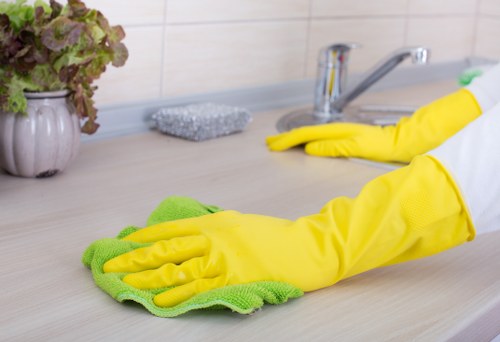
Effective office cleaning should cover all major areas of the workplace. Each section of the office has unique cleaning requirements, and overlooking even one area can affect the overall cleanliness of the building. Professional cleaning teams typically follow a structured process to ensure no essential task is missed.
The reception area is one of the first spaces visitors see, so it deserves careful attention. Clean floors, dust-free furniture, and tidy counters help create a welcoming atmosphere. Meeting rooms also require regular cleaning because they are often used by staff, clients, and guests throughout the day.
Restrooms and kitchen spaces are especially important in office cleaning because they are high-use zones where hygiene matters most. Sanitizing these areas consistently is essential for preventing unpleasant odors, bacteria buildup, and messy conditions.
Common office cleaning tasks
- Vacuuming carpets and rugs
- Dusting desks, shelves, and surfaces
- Mopping hard floors
- Cleaning and disinfecting restrooms
- Emptying trash bins and replacing liners
- Wiping down kitchen counters and appliances
- Sanitizing high-touch points
How Office Cleaning Supports Employee Health

Workplace health is one of the strongest reasons to invest in office cleaning. Offices may seem clean on the surface, but they can accumulate dust, bacteria, and allergens faster than many people realize. Shared spaces, air vents, carpets, and communal equipment can all contribute to poor indoor hygiene if they are not maintained properly.
Regular office cleaning reduces exposure to common irritants such as dust mites, mold spores, and pollen. This can be especially helpful for employees who suffer from allergies or respiratory sensitivities. Cleaner air and surfaces can make the office feel fresher and more comfortable throughout the day.
It is also important to pay attention to disinfecting high-touch surfaces. Frequent contact points are among the biggest sources of workplace germs. By cleaning these areas often, businesses can help reduce the spread of seasonal illnesses and maintain a healthier team environment.
Health-focused office cleaning priorities
- Disinfect shared desks and workstations
- Clean break rooms and food prep areas
- Maintain restroom hygiene
- Vacuum and deep clean carpets regularly
- Remove dust from vents and corners
When employees feel safe and comfortable in their environment, they are more likely to stay engaged and perform well.
Office Cleaning and First Impressions
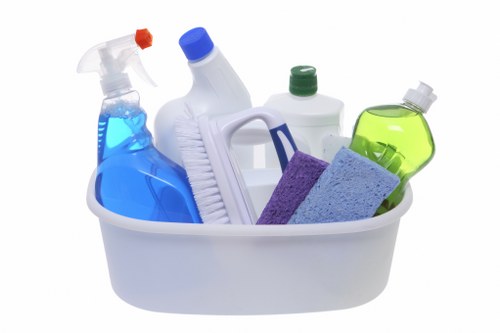
First impressions matter in business, and office cleaning is one of the simplest ways to influence how people perceive a company. Visitors often notice the condition of the reception area, conference rooms, and restrooms almost immediately. A spotless office communicates professionalism, organization, and respect for others.
For clients and business partners, a clean office can build confidence in your brand. It suggests that the business pays attention to detail and takes pride in its work. Even subtle things like polished floors, clean glass, and neatly arranged furnishings can shape how a company is remembered.
Office cleaning is equally important for attracting and retaining talent. Job candidates often form opinions about workplace culture when they visit. A fresh, well-maintained office can signal that the organization values its people and invests in their daily experience.
Types of Office Cleaning Services
Different workplaces require different office cleaning solutions. Some offices only need basic daily maintenance, while others need specialized cleaning for larger spaces, medical offices, or high-traffic commercial properties. Choosing the right service plan depends on the size of the office, the number of employees, and the nature of daily operations.
Many businesses prefer a scheduled service that includes daily, weekly, or monthly tasks. Others may need occasional deep cleaning to address areas that are not part of standard upkeep. Understanding the types of office cleaning available helps companies create a plan that suits their needs and budget.
Common types of office cleaning
- Daily office cleaning for basic maintenance, trash removal, and surface wiping
- Weekly office cleaning for deeper dusting, restrooms, and communal spaces
- Deep office cleaning for detailed sanitation and hard-to-reach areas
- Carpet cleaning to remove stains, dirt, and allergens
- Window cleaning for clearer glass and better natural light
- Post-construction cleaning after renovations or office fit-outs
Each of these office cleaning services plays a different role in maintaining a workplace that looks good and functions well. Businesses often combine several services for the best results.
What Makes Office Cleaning Effective?
Effective office cleaning depends on consistency, attention to detail, and the right methods for each surface. A successful cleaning program does not just focus on visible dirt; it also addresses hidden problem areas where dust and germs tend to gather. This is why professional office cleaning teams often use checklists and structured schedules to keep operations organized.
Choosing proper cleaning products is also essential. Different materials require different treatments, and using the wrong product can damage furniture, flooring, or electronics. For example, delicate screens and office equipment need special care, while restrooms and kitchens require stronger disinfectants.
Consistency is the key to long-term office cleanliness. One-off cleaning efforts may improve the appearance of a workplace temporarily, but regular office cleaning keeps standards high every day. This approach helps businesses avoid buildup and maintain a more comfortable environment overall.
Best practices for effective office cleaning
- Create a cleaning schedule tailored to office usage
- Prioritize high-touch and high-traffic zones
- Use appropriate products for each surface
- Track cleaning tasks to ensure accountability
- Review cleaning results regularly
Office Cleaning for Different Work Environments
Not every office is the same, which is why office cleaning should be tailored to the specific workplace. A small administrative office may need a simple routine focused on desks, carpets, and trash removal. A large corporate office, on the other hand, may require more frequent cleaning of elevators, meeting rooms, kitchenettes, and communal lounges.
Shared workspaces and coworking environments often face additional cleaning challenges because many people use the same surfaces throughout the day. These settings require extra attention to shared desks, seating areas, printers, and common kitchens. Strong office cleaning routines are especially important in these spaces because they help prevent the buildup of germs and clutter.
Specialized offices, such as legal firms, medical practices, and financial institutions, may also have unique expectations. In these environments, office cleaning often needs to support confidentiality, safety, and a more formal appearance. The cleaning plan should reflect the workspace’s purpose and daily demands.
Examples of tailored office cleaning needs
- Small offices: efficient weekly or biweekly maintenance
- Large offices: daily cleaning with focused zone rotation
- Shared spaces: frequent sanitizing and surface upkeep
- Executive suites: detailed presentation-focused cleaning
- Client-facing businesses: reception and meeting room emphasis
Choosing the Right Office Cleaning Approach
Businesses should choose an office cleaning approach that balances quality, frequency, and budget. The best option will depend on how busy the space is and what standards are expected. Some workplaces may benefit from in-house cleaning staff, while others prefer outside professionals who bring equipment, experience, and scheduling flexibility.
When comparing office cleaning options, it helps to think about the areas that require the most attention. For example, if the office hosts frequent client meetings, conference rooms and reception areas should be cleaned often. If employees use shared kitchen facilities, those areas should be disinfected daily.
It is also wise to review how cleaning tasks are divided. Office cleaning works best when responsibilities are clearly defined. A well-organized system ensures that no area is neglected and that cleaning standards remain consistent across the workplace.
Questions to ask before selecting office cleaning services
- How often does the office need cleaning?
- Which areas require special attention?
- Are eco-friendly products preferred?
- What level of disinfecting is necessary?
- Does the service offer flexible scheduling?
Eco-Friendly Office Cleaning Practices
Sustainable office cleaning has become increasingly popular as businesses look for ways to reduce environmental impact. Eco-friendly cleaning methods often use less harsh chemicals, lower-waste supplies, and more efficient processes. These choices can support both employee comfort and corporate responsibility goals.
Many businesses now request cleaning products that are safer for indoor environments and reduce exposure to strong fumes. Reusable microfiber cloths, low-toxicity disinfectants, and energy-efficient equipment are common parts of modern office cleaning programs. These methods can be effective while also supporting greener operations.
Eco-friendly office cleaning can be a smart business decision as well as an environmental one. When workplaces adopt sustainable practices, they may create healthier conditions for staff while reinforcing a positive brand image.
Examples of greener cleaning choices
- Using non-toxic or low-VOC cleaning products
- Reducing paper waste through reusable supplies
- Choosing energy-efficient vacuum cleaners
- Implementing recycling support in office areas
- Limiting water waste during floor maintenance
How Office Cleaning Impacts Workplace Productivity
There is a strong connection between office cleaning and productivity. A tidy workspace helps employees stay focused because they are not distracted by mess, odors, or clutter. In many offices, small improvements in cleanliness can lead to better concentration and smoother collaboration.
When common areas are clean and organized, employees can move through their day more efficiently. They can prepare meals in a sanitary break room, use meeting rooms without distraction, and work at desks that feel calm and clear. This improved experience can contribute to a more positive workplace rhythm.
Professional office cleaning can also reduce interruptions caused by spills, overfilled bins, or untidy shared spaces. Less disruption means more time spent on meaningful work. For this reason, office cleaning should be seen as part of business performance, not just building maintenance.
Office Cleaning Frequency: How Often Is Enough?
The right office cleaning frequency depends on how the space is used. High-traffic offices need more frequent attention than smaller or less active environments. In general, cleaning should be frequent enough to prevent buildup and maintain a polished appearance throughout the week.
Daily office cleaning is ideal for busy offices, especially those with many employees or frequent visitors. Weekly deep cleaning tasks can support the daily schedule by addressing areas that do not need constant attention. Monthly or quarterly maintenance may be useful for carpets, windows, or other specialized surfaces.
Consistency matters more than occasional intensive cleaning. A regular office cleaning schedule is usually more effective than waiting for visible dirt to build up before taking action.
Sample office cleaning frequency chart
- Daily: trash removal, restrooms, kitchen surfaces, and high-touch areas
- Weekly: dusting, floor care, and detailed common-area cleaning
- Monthly: vents, baseboards, and deeper sanitization tasks
- Quarterly: carpet care, upholstery cleaning, and window maintenance
Final Thoughts on Office Cleaning
Office cleaning is an essential investment for any business that wants to support health, appearance, and productivity. A clean office creates a better experience for employees, visitors, and partners while protecting equipment and facilities from unnecessary wear. It also helps build trust by showing that the organization values quality and care.
Whether a business needs daily maintenance, periodic deep cleaning, or a customized service plan, the goal remains the same: create a workplace that feels fresh, organized, and professional. Office cleaning is one of the most practical ways to improve daily operations and strengthen the overall image of a company.
For businesses looking to improve their space, now is the time to act. Contact us today or book your service now to keep your workplace looking its best and running more smoothly. With the right office cleaning plan in place, your business can enjoy a cleaner, healthier, and more productive environment every day.