End of Tenancy Cleaning: A Practical, SEO-Friendly Approach to Getting Your Property Ready
Why end of tenancy cleaning matters

End of tenancy cleaning is one of the most important tasks at the end of a rental agreement. Whether you are a tenant hoping to secure your full deposit, a landlord preparing a property for the next occupant, or a letting agent managing multiple move-outs, this service plays a major role in the overall condition and presentation of the property.
When people search for end of tenancy cleaning, they are usually looking for a result that is thorough, reliable, and cost-effective. That is because moving out is already stressful enough. Packing boxes, redirecting mail, booking removals, and organizing utilities can take up a lot of time. Adding a deep clean on top of everything else can feel overwhelming, especially when the property has accumulated dust, marks, grease, and limescale over months or years of use.
The purpose of end of tenancy cleaning is simple: restore the property to a clean and presentable condition so it meets the expectations of a landlord or inventory check. A properly cleaned property looks better, feels fresher, and is more likely to pass inspection without disputes. That is why many tenants choose professional move-out cleaning instead of attempting the whole job themselves.
What end of tenancy cleaning usually includes
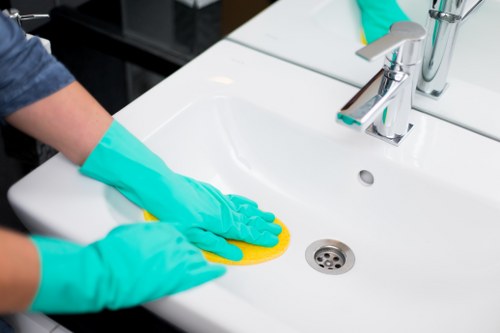
End of tenancy cleaning is more detailed than routine household cleaning. It goes beyond vacuuming floors and wiping visible surfaces. The aim is to clean hidden, neglected, and high-contact areas that often get missed during regular weekly chores.
Typical move-out cleaning tasks may include cleaning inside cupboards, scrubbing kitchen appliances, removing limescale in bathrooms, washing skirting boards, dusting light fixtures, wiping door frames, and cleaning behind furniture where possible. In many cases, the service also includes window cleaning from the inside, polishing mirrors, and dealing with stubborn stains on floors, worktops, and tiles.
For the best results, end of tenancy cleaning should be tailored to the condition of the property. A studio flat will require a different approach from a three-bedroom house, while furnished homes often need extra attention on upholstery, mattresses, and wardrobes. Professional cleaners normally work with a checklist so that nothing important is missed.
Key areas that are usually covered
- Kitchen surfaces, cupboards, sink, taps, oven, hob, and extractor hood
- Bathroom fixtures, tiles, shower screens, mirrors, and limescale removal
- Living spaces, bedrooms, skirting boards, doors, and switches
- Windows, frames, sills, and internal glass
- Floors, carpets, and hard flooring
Why landlords and tenants both benefit
End of tenancy cleaning is not just beneficial for tenants. Landlords and property managers also gain from a professionally cleaned property because it reduces turnaround time between occupancies and helps maintain the building in a strong condition.
For tenants, the biggest advantage is often the chance of receiving the full deposit back. Deposit deductions are frequently linked to cleanliness issues such as grease in the oven, stained bathrooms, dusty corners, or dirty carpets. A thorough end of tenancy clean can reduce the chance of disputes and make the handover smoother.
For landlords, a pristine property is easier to market, photograph, and rent out quickly. A freshly cleaned home creates a better first impression and can support a higher standard of presentation. In a competitive rental market, that visual advantage matters. End of tenancy cleaning can therefore be viewed as an investment in the property’s reputation and long-term condition.
Common reasons deposit issues happen
- Oven and kitchen buildup left behind
- Bathrooms not descaled properly
- Carpets not vacuumed or shampooed
- Marks on walls, doors, and skirting boards
- Missed areas behind furniture and appliances
How end of tenancy cleaning differs from regular cleaning
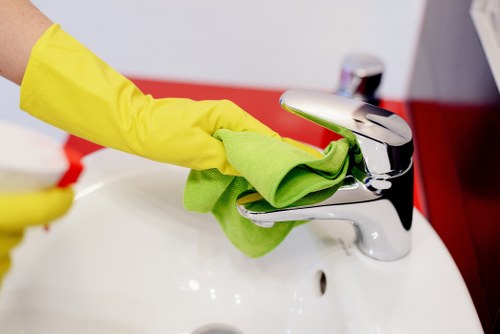
Many people assume end of tenancy cleaning is just a more thorough version of standard cleaning. While there is overlap, the difference in depth, time, and attention to detail is significant. Regular cleaning is mainly about maintenance. It keeps a home tidy and hygienic from week to week. End of tenancy cleaning, by contrast, is about resetting the property to an almost move-in-ready standard.
That means cleaners often tackle areas that are rarely cleaned in everyday routines. For example, the inside of an oven might be scrubbed carefully, the tops of kitchen cabinets may be degreased, and limescale around taps and shower heads may be removed. Move-out cleaning also tends to involve a more systematic process, often starting from the top of the room and working down so that dust and debris are removed in an efficient sequence.
Because of this higher standard, end of tenancy cleaning often requires specialist products, stronger degreasers, microfibre tools, steam cleaning equipment, and more time on site. It is also physically demanding, especially in larger properties or homes with heavy buildup. That is why many tenants decide to book professional end of tenancy cleaning rather than attempting a rushed DIY job at the last minute.
Typical differences at a glance
- Regular cleaning: light dusting, surface wiping, general tidying
- End of tenancy cleaning: deep cleaning, stain removal, appliance detailing
- Regular cleaning: ongoing maintenance
- End of tenancy cleaning: final presentation before handover
Rooms that need the most attention

Every room matters during end of tenancy cleaning, but some spaces usually need more focus than others. Kitchens and bathrooms tend to be the most demanding because they collect grease, moisture, soap residue, and bacteria over time. These rooms are also often inspected closely because they reveal how well the property has been maintained.
In the kitchen, cleaners typically pay extra attention to the oven, hob, extractor fan, splashbacks, inside cabinets, fridge, freezer, sink, and worktops. Even small areas such as handles, switches, and the edges of cupboards can make a difference when the property is being checked. A clean kitchen gives the impression of a well-cared-for home.
Bathrooms need careful cleaning too. Limescale, mildew, water marks, and soap scum can build up quickly. Scrubbing tiles, polishing taps, cleaning shower doors, and disinfecting toilets and sinks are all part of a proper end of tenancy clean. Bedrooms and living rooms may seem simpler, but dust on skirting boards, wardrobes, curtains, and fixtures can still lead to problems if overlooked.
Areas frequently overlooked
- Behind radiators
- Inside drawers and cupboards
- Light fittings and lampshades
- Top edges of doors and frames
- Window tracks and sills
What tenants should do before the cleaners arrive
End of tenancy cleaning works best when the property is prepared properly before the team begins. While professional cleaners handle the detailed work, tenants can make the process smoother by removing personal belongings, emptying storage spaces, and ensuring access to all rooms and appliances.
It is also smart to disconnect and defrost fridges and freezers in advance if they are included in the service. Clearing cupboards, removing rubbish, and taking down items from walls can save time and help cleaners focus on deep-cleaning rather than basic clearance. If the property has carpet stains or unusual problem areas, it is useful to point those out before work starts.
A little preparation can improve the outcome of end of tenancy cleaning and reduce the risk of delays. This is especially important when the move-out deadline is tight. The cleaner can work more efficiently, and the final result is often much better when the property is ready to be tackled room by room.
Useful preparation checklist
- Remove all personal items
- Dispose of unwanted rubbish
- Clear surfaces and cupboards
- Arrange parking or access if needed
- Report any damaged items in advance
How professional cleaners approach the job
Professional end of tenancy cleaning usually follows a structured method. This helps ensure every area receives the right amount of attention and nothing is missed during the final inspection. Cleaners often begin with dusting higher surfaces and move downward, finishing with floors so that debris from upper areas can be removed last.
In the kitchen, they may use degreasers on appliances and cupboards, then move on to sinks, taps, splashbacks, and flooring. Bathrooms often require descaling products, disinfectants, and careful polishing to restore shine. In living areas, they may clean skirting boards, vacuum corners, wipe switches, dust shelves, and remove cobwebs. If carpets are included, steam cleaning or hot water extraction may be used to lift dirt and freshen the fibres.
What makes a professional move-out cleaning service valuable is the combination of speed, skill, and consistency. Experienced cleaners know where dirt collects, which products work best, and how to avoid damaging surfaces. That level of efficiency is hard to replicate with a last-minute DIY clean, especially after a full house move.
Professional cleaning advantages
- Time-saving and efficient
- Detailed checklist-based cleaning
- Better access to specialist products
- Reduced stress during the move
- Higher chance of passing inventory checks
DIY vs professional end of tenancy cleaning
Some tenants prefer to handle end of tenancy cleaning themselves, especially if they are trying to save money. DIY cleaning can work well in small properties or homes that have been well maintained. However, it usually takes longer than expected and may still leave behind hidden dirt, odours, or stains.
A professional service, on the other hand, brings expertise and equipment that can make a big difference. If the oven is heavily soiled, the bathroom has limescale, or carpets need attention, trained cleaners may achieve a result that is difficult to match without specialist tools. For many people, the cost of end of tenancy cleaning is worthwhile because it can help protect the deposit and reduce the pressure of moving day.
Choosing between DIY and professional cleaning depends on time, budget, property size, and the expected inspection standard. If the tenancy agreement includes a strict cleanliness clause, hiring a service may be the safest choice. Book your service now if you want a faster, more dependable result with less stress.
When DIY may work
- Small, lightly used properties
- Plenty of time before the handover
- Minimal buildup or staining
- Simple furnishings and appliances
When professionals are a smarter choice
- Large homes or multiple bedrooms
- Heavy kitchen or bathroom buildup
- Carpets or upholstery need special care
- A strict inventory check is expected
How to choose the right end of tenancy cleaning service
When selecting an end of tenancy cleaning provider, it is worth looking beyond price alone. A cheap service may not include all the tasks needed for a proper handover, while a well-structured service can save time and reduce the chance of complaint. The best companies are clear about what they include, how long the job will take, and what areas are covered.
Look for providers who use a detailed checklist, offer flexible scheduling, and understand landlord or agency expectations. It is also helpful if they can clean a variety of property types, from furnished apartments to family homes. The right move-out cleaning team should be transparent about their process and capable of handling common problem areas such as ovens, bathrooms, and carpets.
If you want a smooth exit from your rental, choose a team that treats end of tenancy cleaning as more than a quick tidy-up. A proper service should focus on detail, reliability, and final presentation. That combination can make the difference between a stressful inspection and a straightforward one.
Questions to ask before booking
- What areas are included in the price?
- Do you clean ovens, fridges, and freezers?
- Are carpets and upholstery available as extras?
- How long will the service take?
- Is there a re-clean policy if needed?
Cost factors that affect end of tenancy cleaning
The price of end of tenancy cleaning can vary depending on several practical factors. Property size is one of the biggest influences because more rooms usually mean more time and more labour. The condition of the home also matters, as properties with heavy grime or long-term neglect may require additional effort.
Other factors include whether the property is furnished, whether appliances are included, and whether extra services such as carpet cleaning or upholstery cleaning are needed. A two-bedroom flat with a reasonably maintained kitchen will generally cost less to clean than a large, furnished house that has not been deep-cleaned for months. In many cases, end of tenancy cleaning is priced to reflect the amount of work required rather than a simple flat rate.
Understanding these cost factors can help tenants budget more effectively. It also helps landlords compare services fairly. Instead of focusing only on the lowest price, it is usually better to consider value, coverage, and the likelihood of a strong final result. Contact us today if you want a service that balances quality with efficiency.
What often affects pricing
- Number of bedrooms and bathrooms
- Presence of heavy dirt or stains
- Furnished or unfurnished property
- Additional tasks such as carpet care
- Urgent or same-day bookings
Cleaning standards and inspection expectations
One reason end of tenancy cleaning is so important is that final inspections tend to be more detailed than everyday checks. Landlords and agents often compare the condition of the property with the original inventory report. That means visible dirt, missed corners, or lingering smells can become issues even if the home looks tidy at first glance.
To meet inspection expectations, cleaners need to focus on both appearance and hygiene. Surfaces should be free of grease and dust, bathrooms should be descaled and sanitised, and floors should look fresh. End of tenancy clean standards often depend on the property’s original condition, but the general aim is to return the space in a clean, orderly, and presentable state.
Because every inspection is slightly different, it helps to understand the requirements outlined in the tenancy agreement. Some contracts ask for professional end of tenancy cleaning, while others simply expect the property to be returned in a comparable condition to when it was rented. Knowing those expectations ahead of time can prevent disputes later.
Inspection-focused priorities
- Visible cleanliness in every room
- Removal of odours and food residue
- Clean appliances and bathroom fittings
- Dust-free skirting, shelves, and corners
- Fresh floors and polished surfaces
Why timing matters
Timing is a major part of successful end of tenancy cleaning. Leaving the job until the final day can create unnecessary pressure, especially if removals, key handover, and utility closures are all happening at once. Booking the cleaning at the right time helps the process run more smoothly and gives you a chance to deal with any remaining issues.
Ideally, the property should be cleaned after most items have been removed but before the final handover. This allows cleaners to access cupboards, shelves, and floors properly. It also means you can inspect the result and address anything that still needs attention. A well-timed move-out cleaning appointment can make the whole transition feel more controlled and less chaotic.
If the property is especially large or the cleaning needs are extensive, booking in advance is even more important. Popular slots can fill quickly, particularly at the end of the month when many tenancies expire. Planning ahead ensures your end of tenancy cleaning is completed on time and to a high standard.
Best timing tips
- Book after furniture removal where possible
- Schedule before key handover
- Allow time for inspection or touch-ups
- Avoid leaving it to the last minute
Final thoughts on end of tenancy cleaning
End of tenancy cleaning is one of the smartest steps you can take when leaving a rented property. It protects deposit value, improves the appearance of the home, and creates a smooth transition for everyone involved. Whether the property is a small flat or a large family house, a thorough clean can make a noticeable difference.
The best results come from careful preparation, attention to detail, and a clear plan. From kitchens and bathrooms to carpets, cupboards, and windows, every part of the property contributes to the final impression. That is why many people rely on professional end of tenancy cleaning services instead of trying to manage everything alone.
If you want your move-out to be easier, cleaner, and less stressful, now is the time to act. Book your service now and make sure your property is ready for inspection, re-marketing, or handover. With the right support, end of tenancy cleaning can be a straightforward task rather than a last-minute burden.