Communal Area Cleaning: Creating Safer, Healthier, and More Welcoming Shared Spaces
Why Communal Area Cleaning Matters
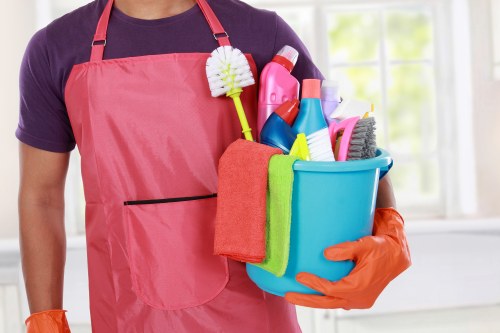
Communal area cleaning is one of the most important services for maintaining shared spaces in apartment blocks, office buildings, residential complexes, student accommodations, and mixed-use properties. These areas are used by many people every day, which means dirt, dust, germs, and clutter can build up quickly if they are not cleaned regularly. A clean communal environment does more than improve appearance; it also supports health, safety, comfort, and the overall reputation of the property.
When people walk into a building, the first thing they notice is the condition of its shared areas. Lobbies, hallways, stairwells, elevators, reception spaces, and touchpoints all shape the way a space feels. Professional communal area cleaning helps property managers and residents create a space that feels cared for, organized, and inviting. This matters whether the building is occupied by tenants, staff, visitors, or clients.
Good cleaning in communal areas also helps reduce long-term maintenance costs. Dust, grime, and spills that are left unattended can lead to damage over time. Surfaces may wear out faster, flooring may become stained, and fixtures can deteriorate. By investing in regular communal area cleaning services, property owners can protect the value of the building while improving the day-to-day experience of everyone who uses it.
What Communal Area Cleaning Includes
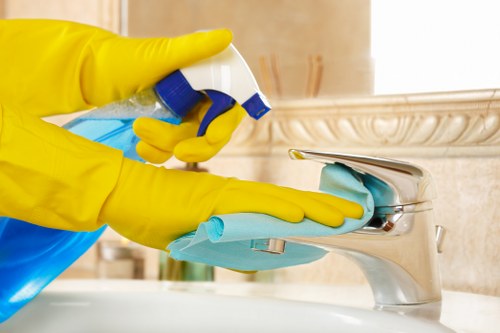
Communal area cleaning covers a wide range of tasks designed to keep shared spaces tidy, sanitary, and pleasant to use. Because every property is different, the exact service may vary depending on the layout, traffic levels, and type of occupants. However, most routines include a combination of surface cleaning, floor care, waste removal, and hygiene-focused tasks.
Typical communal area cleaning responsibilities often include:
- Vacuuming carpets and runners
- Sweeping and mopping hard floors
- Dusting ledges, skirting boards, and surfaces
- Cleaning doors, glass panels, and handrails
- Wiping high-touch points such as buttons, switches, and handles
- Emptying waste bins and replacing liners
- Removing cobwebs and debris from corners
- Maintaining lifts, entrances, and waiting areas
In some buildings, the service may also include sanitizing shared touchpoints, polishing metal fittings, spot-cleaning marks on walls, and reporting maintenance issues. This broader approach helps ensure that communal area cleaning is not just about appearance, but also about practical upkeep and occupant wellbeing.
Key Benefits of Regular Communal Area Cleaning
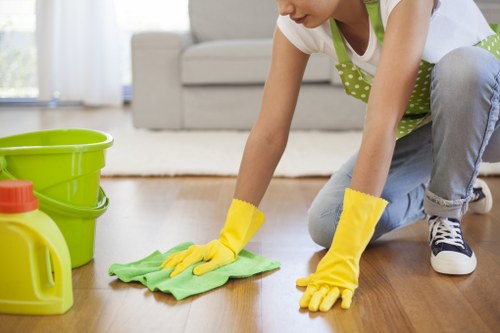
There are many reasons why property managers and building owners prioritize communal area cleaning. One of the biggest benefits is hygiene. Shared spaces can become hotspots for germs, especially in locations with heavy foot traffic. Regular cleaning helps lower the risk of bacteria spreading through common touchpoints and surfaces.
Another major benefit is safety. Clean floors reduce the chance of slips and trips, while clear walkways make it easier for residents and visitors to move around comfortably. A well-maintained environment also makes it easier to spot hazards such as leaks, broken lights, damaged tiles, or blocked exits. In this way, communal area cleaning supports both cleanliness and risk prevention.
There is also a strong psychological advantage. People generally feel better in clean, fresh environments. A tidy entrance or staircase can improve mood, reduce complaints, and create a better impression of the property overall. For businesses, this is especially important because the cleanliness of shared spaces can influence how clients and partners perceive the organization.
Additional Benefits Include
- Improved property presentation
- Higher occupant satisfaction
- Better compliance with hygiene expectations
- Reduced pest attraction
- Longer lifespan for flooring and fixtures
High-Traffic Areas That Need Special Attention
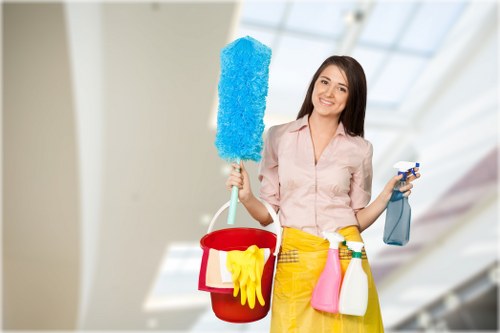
Not all areas in a building receive the same level of use, and communal area cleaning should reflect that. High-traffic spaces require extra attention because they accumulate dirt more quickly and experience faster wear. These areas often set the tone for the entire property, so keeping them spotless is essential.
The most important high-traffic zones often include entryways, lobbies, corridor floors, lift interiors, staircases, and mail areas. These locations are touched and crossed by many people each day, which means they need frequent cleaning and regular inspection. High-touch areas such as handrails, buttons, handles, and intercom systems should be wiped and disinfected consistently.
Because these spaces are visible to almost everyone, even small signs of neglect can stand out. Dust on skirting boards, marks on glass doors, or bin overflow can quickly make a building look poorly maintained. Professional communal area cleaning ensures these key areas remain fresh, tidy, and safe at all times.
Examples of Priority Zones
- Main entrances and reception areas
- Stairwells and landings
- Lifts and lift lobbies
- Shared corridors
- Bin storage rooms
- Communal kitchens and break rooms
How Communal Area Cleaning Supports Health and Hygiene
Shared buildings can make it easy for germs to spread if cleaning standards are not maintained. Communal area cleaning helps address this by reducing the build-up of bacteria, viruses, allergens, and airborne dust. This is particularly relevant in properties where residents, workers, and visitors interact daily.
Regular cleaning of surfaces such as railings, door handles, lift buttons, and shared tables helps support better hygiene. In addition, floor cleaning can reduce the amount of dust and debris that is tracked into living or working spaces. For people with allergies or respiratory sensitivities, this can make a noticeable difference.
Another important factor is waste management. Overflowing bins or poorly maintained refuse areas can attract insects, create odors, and affect the overall cleanliness of the building. A structured communal area cleaning routine helps prevent these problems before they grow. Clean shared spaces contribute to a healthier environment for everyone who uses the building.
Health-Focused Cleaning Practices
- Use of suitable disinfectants on touchpoints
- Regular removal of waste and recyclables
- Cleaning of dust-prone surfaces
- Sanitizing of bathrooms and wash areas when included
- Ventilation awareness in enclosed communal zones
Common Communal Area Cleaning Tasks Explained
To understand the value of communal area cleaning, it helps to look at the day-to-day tasks involved. A reliable cleaning routine is usually built around repetition, inspection, and attention to detail. Rather than focusing only on visible dirt, the best results come from a methodical approach that covers the most-used spaces and the least-noticed corners.
Floor care is often one of the most visible elements of the service. Carpets may need vacuuming to remove dust and debris, while tiled or vinyl flooring may require sweeping and mopping to maintain a polished look. In some buildings, periodic deep cleaning may also be necessary to remove stubborn stains and refresh high-use flooring.
Surface cleaning is another major component. This includes wiping tables, counters, ledges, and communal furniture. Glass doors and windows may also need attention to remove fingerprints and smudges. When these tasks are done regularly, the entire environment feels lighter, brighter, and more professional.
More Routine Tasks May Include
- Polishing fixtures and fittings
- Cleaning mirrors and glass surfaces
- Checking for litter in hidden corners
- Reporting broken fixtures or maintenance issues
- Maintaining the freshness of entrance mats
How Often Should Communal Area Cleaning Be Done?
The ideal frequency for communal area cleaning depends on the size of the building, the number of occupants, and how much traffic the shared areas receive. A small residential block may need daily light cleaning, while a busy commercial building may require multiple visits each day. The goal is to match the service to the actual level of use.
For many properties, daily cleaning is the standard approach for entrances, hallways, and shared touchpoints. Weekly or bi-weekly tasks may include deeper attention to skirting boards, corners, or less visible spaces. Monthly or quarterly deep cleaning can be useful for carpets, vents, and neglected areas that accumulate grime over time.
Consistency matters more than intensity alone. Even a brief but regular communal area cleaning schedule can produce better long-term results than occasional intensive cleaning. When cleaning is planned properly, the property remains in good condition between visits, and occupants notice a steady level of care.
Factors That Affect Cleaning Frequency
- Foot traffic volume
- Type of property
- Seasonal weather conditions
- Presence of children, pets, or deliveries
- Local hygiene expectations
Communal Area Cleaning in Residential Buildings
Residential properties depend heavily on communal area cleaning because shared spaces are part of everyday life for tenants. Hallways, staircases, entry doors, lift areas, and bin rooms are all used repeatedly. If these spaces are not cleaned properly, residents may quickly notice unpleasant odors, visible dirt, or an overall sense of neglect.
In apartment buildings and housing complexes, cleanliness also affects community standards. Residents often feel more respected when the common areas are well cared for. This can support better behavior as well, since people are generally more likely to keep a clean area tidy. A well-managed residential cleaning routine also helps landlords and management companies demonstrate that they take the property seriously.
Communal area cleaning in residential buildings may also involve seasonal adjustments. For example, rainy or snowy periods can bring in extra mud and moisture, while summer may increase dust or litter. A responsive cleaning schedule helps keep the property looking its best all year round.
Residential Priorities
- Fresh-smelling entrances
- Clean stair rails and lift controls
- Dust-free windowsills and ledges
- Regular bin area cleaning
- Fast attention to spillages
Communal Area Cleaning in Commercial and Office Spaces
Commercial buildings and offices require a slightly different approach to communal area cleaning because the environment is often shaped by client visits, staff movement, and brand reputation. Shared areas such as receptions, corridors, meeting room entrances, and break rooms must look clean and professional at all times.
In these settings, a tidy communal area supports productivity and workplace morale. Employees are more comfortable in clean surroundings, and visitors are more likely to trust a business that presents itself well. Clean communal areas also help reinforce workplace health standards, especially in shared office buildings where multiple tenants use the same facilities.
Because commercial properties often operate on tight schedules, cleaning may need to happen outside business hours or in carefully timed intervals. This helps avoid disruption while ensuring that all areas receive proper attention. Reliable communal area cleaning services make it easier to maintain a polished image without interrupting daily operations.
Commercial Cleaning Focus Points
- Reception presentation
- Shared kitchen hygiene
- Lift and corridor cleanliness
- Touchpoint sanitation
- Waste and recycling management
Choosing the Right Cleaning Approach
Not every building needs the same cleaning routine, which is why effective communal area cleaning should be tailored to the property. Factors such as building size, flooring type, occupancy patterns, and access times all affect the best method. A one-size-fits-all approach often leaves some areas overcleaned and others overlooked.
The right plan usually begins with an assessment of the shared spaces. This helps identify high-use zones, problem areas, and special requirements. For example, a building with carpeting may need regular vacuuming and periodic extraction cleaning, while a property with polished floors may require a focus on safe mopping techniques and surface maintenance.
Good communication is also important. Property managers, cleaning teams, and occupants should have clear expectations about tasks, schedules, and standards. When everyone understands the plan, communal area cleaning becomes more effective and easier to maintain over time.
What to Look for in a Cleaning Plan
- Coverage of all shared spaces
- Flexible scheduling
- Attention to high-touch points
- Regular quality checks
- Adaptability for seasonal changes
Best Practices for Maintaining Clean Communal Areas
While professional cleaning is essential, day-to-day maintenance also plays a major role in keeping communal spaces in good condition. Simple habits can help preserve the results of scheduled cleaning and reduce the buildup of mess between visits.
Clear signage can encourage people to dispose of waste properly, report spills, and respect shared spaces. Adequate bins, mats, and lighting can also make a big difference. The easier it is for users to keep the area tidy, the less stress there is on the cleaning schedule.
Regular inspections are another best practice. By checking communal areas consistently, property managers can spot emerging issues before they become bigger problems. This approach supports efficient communal area cleaning and helps maintain a safe, attractive, and well-managed environment.
Simple Maintenance Habits
- Encourage occupants to report spills quickly
- Keep waste bins accessible and emptied
- Replace worn entry mats
- Fix lighting issues promptly
- Review cleaning schedules periodically
Why Professional Communal Area Cleaning Is Worth It
Professional communal area cleaning brings a level of consistency and detail that is difficult to achieve through occasional or informal cleaning efforts. Trained cleaners know how to work efficiently, use appropriate products, and focus on the areas that matter most. They also understand how to clean shared environments without causing disruption or damage.
Another advantage is accountability. A professional service follows a schedule, documents tasks, and helps ensure no area is forgotten. This is especially important in multi-occupancy buildings, where many people depend on shared facilities every day. Well-managed communal area cleaning contributes to smoother operations and a better overall experience for occupants.
For property owners, landlords, and facilities managers, professional cleaning is also a practical investment. It protects the building’s appearance, supports hygiene expectations, and can reduce the need for costly repairs caused by neglect. In short, the right cleaning service helps a property perform better in every sense.
Book your service now and give your shared spaces the consistent care they deserve. If your property needs dependable communal area cleaning, taking action today can make a lasting difference.
How to Improve Communal Area Cleaning Results Over Time
Long-term success in communal area cleaning depends on review and improvement. Buildings change, occupancy shifts, and traffic levels can rise or fall depending on the season or use patterns. A cleaning plan should evolve with these changes to remain effective.
It is useful to review cleaning results regularly and ask whether the current schedule is still meeting the property’s needs. Are entrances staying clean throughout the day? Are rubbish areas being emptied often enough? Are there recurring problem spots that need deeper attention? These questions help refine the service so it stays practical and efficient.
Technology and better planning can also support better outcomes. Digital checklists, inspection logs, and scheduling tools help create consistency. With a structured approach, communal area cleaning becomes more than a task list; it becomes a system for maintaining standards across the entire property.
Ways to Strengthen Long-Term Results
- Track recurring problem areas
- Adjust frequency during busy periods
- Include periodic deep cleans
- Train staff on proper cleaning methods
- Set clear cleanliness standards for all shared zones
Final Thoughts on Communal Area Cleaning
Communal area cleaning is essential for keeping shared spaces clean, safe, welcoming, and functional. Whether the setting is residential, commercial, or mixed-use, the quality of the communal environment affects how people feel about the property every single day. A clean lobby, corridor, lift, or staircase can transform the entire experience of entering a building.
By focusing on hygiene, regular maintenance, and tailored cleaning schedules, property managers and owners can protect their investment while improving the lives of occupants. The benefits are visible, practical, and long-lasting. From reducing health risks to supporting a better first impression, communal area cleaning delivers value in many ways.
If your building could benefit from a more reliable approach, now is the time to act. Contact us today or book your service now to keep your shared spaces in excellent condition and make communal area cleaning a consistent success.