Insurance and Safety
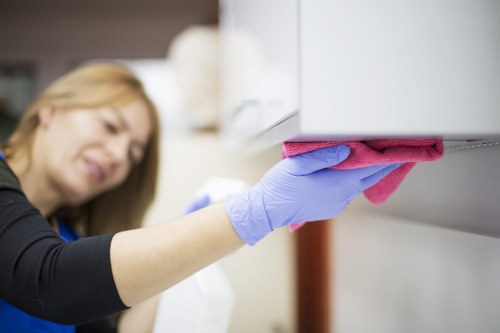 Our approach to insurance and safety is built on a simple idea: every project should be protected, planned, and carried out with care. Whether the work is straightforward or complex, we place equal importance on managing risk, safeguarding people, and maintaining a professional standard at every stage. This includes robust public liability insurance, ongoing staff training, suitable PPE, and a clear risk assessment process that supports safe working practices from start to finish.
We recognise that confidence comes from preparation. That is why our safety procedures are not treated as a one-off task, but as part of the way we operate every day. By combining insurance cover with practical controls on site, we help reduce disruption, protect property, and support a secure working environment for staff, clients, and the public.
 A strong safety culture begins long before any work starts. Each assignment is reviewed in advance so that hazards can be identified early, controls can be agreed, and responsibilities can be understood by everyone involved. This proactive approach helps ensure that insurance and safety are not separate concerns, but connected parts of one reliable process.
Public Liability Insurance
Our public liability insurance is an essential part of the protection we provide. It offers peace of mind by covering claims that may arise if accidental damage or injury occurs in connection with our work. While no one expects an incident to happen, having appropriate insurance in place is a key part of responsible business practice and a sign of professionalism.
We understand that every project carries some level of risk, which is why our insurance cover is maintained to support the type of work we undertake. It helps us manage unexpected situations in a measured way, reducing the potential impact on those around us. In this sense, insurance for safety is not only about compliance, but also about demonstrating care and accountability.
 Alongside our cover, we make sure that safety controls are practical and effective. This means taking steps to prevent incidents wherever possible, documenting findings clearly, and ensuring that the team understands how to work safely in real environments. The result is a balanced approach in which public liability insurance and prevention measures work hand in hand.
Staff Training and Competence
We believe that well-trained staff are central to maintaining high standards in site safety and operational reliability. Training is not limited to initial induction; it continues through refreshers, updates, and task-specific instruction. This ensures that our team remains aware of best practice, current procedures, and any changes that may affect safe working conditions.
Each member of staff is expected to understand their responsibilities and to apply safe methods consistently. Training covers hazard awareness, equipment handling, emergency response, and the correct use of protective equipment. By investing in staff training, we strengthen the quality of our work while reducing the likelihood of avoidable mistakes.
We also encourage a culture where concerns can be raised early. If a team member spots a possible issue, it is reviewed and addressed before work continues. This practical mindset supports insurance and safety by reducing exposure to risk and helping ensure that every task is completed with care and attention.
PPE and Everyday Protection
Personal protective equipment is a vital part of day-to-day protection. Depending on the task, this may include gloves, helmets, eye protection, high-visibility clothing, hearing protection, or other appropriate items. PPE is selected to suit the work being carried out, ensuring that protection is relevant rather than generic.
Using personal protective equipment correctly is just as important as supplying it. Our team is instructed on when PPE must be worn, how it should be maintained, and when it needs replacing. This helps maintain a high standard of workplace safety and supports a disciplined approach to risk control.
Although PPE is an important final layer of protection, it is never the only measure relied upon. We prefer to reduce risk at the source wherever possible through planning, supervision, and safe working methods. That way, insurance and safety are supported by prevention first, with protective equipment adding another level of reassurance.
Risk Assessment Process
 Our risk assessment process is designed to be clear, practical, and thorough. Before work begins, hazards are identified and assessed according to the specific environment, task, and conditions involved. This may include checking access routes, examining the stability of the working area, reviewing equipment requirements, and considering how people in the surrounding space could be affected.
Once risks have been identified, suitable controls are put in place. These may include additional supervision, restricted access, improved signage, or the use of specific protective measures. The purpose of the assessment is not simply to record risks, but to actively reduce them through action. In this way, site risk assessment becomes a living part of the job rather than a paperwork exercise.
 We review risk assessments whenever circumstances change, because safety must reflect reality rather than assumption. If conditions differ from what was expected, the plan is updated before work continues. This flexible approach helps maintain high standards of insurance and safety, while ensuring that decisions remain responsive and informed throughout the project.
A Consistent Commitment to Safety
Our overall commitment is to deliver work with professionalism, care, and strong attention to detail. That means making sure that public liability insurance is in place, that staff are properly trained, that PPE is used correctly, and that every task is supported by a thoughtful risk assessment. Together, these measures create a dependable system that protects people and property.
By focusing on prevention, clear responsibility, and continuous improvement, we provide a safer experience for everyone involved. In practical terms, insurance and safety are not treated as separate obligations, but as shared priorities that shape the way we plan, prepare, and perform our work.
Through these standards, we aim to give peace of mind as well as professional results. A careful balance of cover, training, equipment, and assessment helps ensure that each project is managed responsibly, with safety built in from the very beginning.