Deep Cleaning in the Modern Home: A Practical Approach to a Cleaner, Healthier Space
What Deep Cleaning Really Means

Deep cleaning is more than a quick tidy-up or a surface wipe. It is a thorough process that targets hidden dirt, built-up grime, neglected corners, and areas that regular cleaning often misses. When people talk about deep cleaning, they usually mean a methodical reset of the home that restores freshness, improves hygiene, and makes everyday maintenance much easier.
Unlike routine dusting or vacuuming, deep cleaning reaches behind furniture, inside appliances, along baseboards, under sinks, and around high-touch spots that collect bacteria over time. This is why deep cleaning services are often chosen before major events, after renovations, during seasonal changes, or simply when a home starts to feel dull and difficult to manage.
For many households, deep cleaning in busy environments is not just about appearance. It supports better indoor air quality, helps reduce allergens, and creates a more comfortable living space. A clean home can influence mood, productivity, and even sleep quality, making deep cleaning an investment in daily well-being.
Why Deep Cleaning Matters for Every Home
Every home collects dirt in ways that are not always obvious. Cooking residues settle on cabinets. Dust gathers on ceiling fans. Moisture creates buildup in bathrooms. Even if a room looks tidy, hidden grime may still be present. This is where deep cleaning becomes essential. It addresses the areas that routine cleaning tends to overlook and helps prevent long-term buildup.
One of the biggest benefits of deep cleaning is how it supports healthier living conditions. Dust, pet dander, pollen, and mold spores can accumulate in carpets, upholstery, vents, and fabrics. A proper deep cleaning session removes many of these irritants, which can be especially helpful for families with children, older adults, or anyone sensitive to allergens.
Another reason people prioritize deep cleaning in their homes is maintenance. When buildup is removed regularly, surfaces last longer and appliances perform better. For example, cleaning refrigerator coils, oven interiors, and bathroom grout can help extend the life of these features while keeping the home looking polished and cared for.
Common Benefits of a Deep Clean
- Improves indoor freshness and overall hygiene
- Reduces dust, allergens, and hidden bacteria
- Protects surfaces, fixtures, and appliances
- Makes routine cleaning faster and easier
- Enhances comfort and the visual appeal of the home
Where Deep Cleaning Makes the Biggest Difference

Some areas need special attention because they naturally accumulate more dirt, grease, or moisture. Kitchens and bathrooms are the most common examples, but bedrooms, living rooms, hallways, and utility spaces can also benefit from a structured deep cleaning approach. The key is to focus on spaces where buildup can hide and spread.
In the kitchen, deep cleaning often involves degreasing cabinets, scrubbing backsplash tiles, sanitizing counters, cleaning inside the oven, emptying and wiping the refrigerator, and removing crumbs from hard-to-see areas. Kitchens are high-traffic spaces, so even small amounts of buildup can become noticeable quickly.
Bathrooms also demand detailed attention. Soap scum, mineral deposits, mildew, and grime can collect around sinks, tubs, showers, toilets, and tile grout. Deep cleaning in bathrooms is especially important because moisture encourages buildup and can lead to unpleasant odors or slippery surfaces if ignored.
High-Impact Areas to Prioritize
- Kitchen appliances, cabinets, and backsplash surfaces
- Bathroom grout, fixtures, mirrors, and drains
- Baseboards, light switches, and door handles
- Under furniture and behind large appliances
- Carpets, rugs, curtains, and upholstery
How to Plan a Deep Cleaning Session
A successful deep cleaning session starts with a plan. Without one, the process can feel overwhelming, especially in larger homes or spaces that have been neglected for some time. Planning helps break the work into manageable steps and ensures that nothing important is missed.
Begin by choosing which rooms need the most attention. Some households start with the kitchen and bathrooms because these areas have the highest hygiene demands. Others begin with storage areas or bedrooms, especially if clutter has built up. Whichever order you choose, the goal is to move from one zone to another in a logical way.
It also helps to gather supplies before beginning. Microfiber cloths, scrub brushes, an all-purpose cleaner, disinfectant, vacuum attachments, gloves, and a mop are common essentials. For a more deep cleaning-focused approach, you may also want specialty products for glass, tile, stainless steel, or fabric.
Smart Planning Steps
- Declutter each room before cleaning.
- Work top to bottom so dust falls downward.
- Use the right cleaning product for each surface.
- Allow time for soaking on tough grime or stains.
- Finish with floors to capture fallen debris.
Good planning makes deep cleaning in the home feel less like a burden and more like an organized reset. It also helps you stay consistent, whether you clean all at once or divide the work over several days.
Room-by-Room Deep Cleaning Priorities
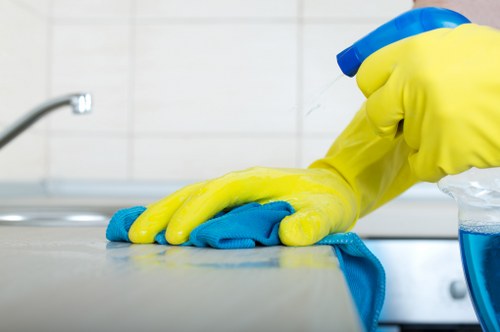
Different rooms require different methods, and understanding those differences can make deep cleaning more effective. A room-by-room approach helps ensure that each space gets the care it needs without wasting time or effort on the wrong tasks.
In bedrooms, deep cleaning often includes washing bedding, rotating mattresses, vacuuming under beds, dusting headboards, and wiping nightstands and closet surfaces. Soft materials can trap dust and odors, so regular attention to fabrics and hidden spaces is especially valuable.
Living rooms and family rooms usually need detailed dusting, couch and chair cleaning, blind wiping, and electronics care. These spaces often have many surfaces, from decorative items to entertainment equipment, so deep cleaning in these areas is about balancing appearance with dust control and fabric care.
Suggested Room Focus
- Kitchen: appliances, counters, cabinet fronts, sink, and floors
- Bathroom: shower, toilet, grout, sink, faucets, and vents
- Bedroom: bedding, mattress, closets, and under-bed areas
- Living room: upholstery, blinds, shelves, and electronics
- Entryway: doors, mats, baseboards, and shoe storage
Because each room serves a different purpose, deep cleaning should reflect how the space is used. High-touch zones need sanitizing, while soft furnishings often need vacuuming, steam cleaning, or fabric-safe treatment.
Deep Cleaning Tools and Supplies That Make the Job Easier
The right tools can completely change the experience of deep cleaning. Instead of scrubbing endlessly with poor results, quality tools help you work faster and clean more thoroughly. Choosing supplies carefully also reduces the risk of damaging delicate surfaces.
A reliable vacuum is one of the most important tools for deep cleaning. Attachments for upholstery, corners, and dusting make it easier to reach tight spaces. A mop with washable pads, a bucket, microfiber cloths, and a detail brush set also add efficiency.
Cleaning solutions matter too. Some products are designed for disinfecting, while others are better for cutting grease or lifting soap scum. Deep cleaning in bathrooms and kitchens often requires specialized formulas, but simple ingredients like baking soda and vinegar can also be useful for odor control and gentle scrubbing in some applications.
Useful Supplies to Keep on Hand
- Microfiber cloths
- Vacuum with attachments
- Scrub brushes and detail brushes
- Mop and bucket
- Glass cleaner
- Disinfectant wipes or spray
- Degreaser for kitchen surfaces
- Tile and grout cleaner
- Gloves and protective masks if needed
A well-stocked cleaning kit makes deep cleaning more efficient and helps maintain consistency between sessions.
Deep Cleaning Frequency: How Often Is Enough?
The right frequency depends on household size, lifestyle, pets, children, and how quickly dirt accumulates. A busy family home may need more frequent deep cleaning than a smaller household with fewer occupants. In general, many people benefit from a seasonal schedule that includes a few major deep clean sessions each year.
For some areas, deep cleaning may be needed monthly or even weekly. Kitchens and bathrooms, for example, often require more frequent attention because of moisture, food residue, and daily use. Bedrooms and living areas may need less intensive work on a regular basis, but they still benefit from detailed attention every few weeks or months.
Maintaining a schedule makes deep cleaning in the home more manageable. Instead of waiting until a space feels unmanageable, you can spread the work out across the year. That approach not only saves time but also prevents heavy buildup from returning too quickly.
Practical Scheduling Ideas
- Weekly: high-touch surfaces, sinks, and bathroom fixtures
- Monthly: baseboards, vents, and appliance exteriors
- Seasonally: windows, mattresses, closets, and upholstery
- Twice a year: full house deep cleaning with detailed decluttering
Deep Cleaning and Indoor Air Quality
One of the most overlooked advantages of deep cleaning is its impact on the air you breathe. Dust, pet hair, and allergens settle on surfaces and get stirred into the air each time someone walks through a room or turns on a fan. Over time, this can affect comfort and cause irritation.
When you prioritize deep cleaning, you remove sources of dust and debris from fabrics, corners, vents, and hidden surfaces. Vacuuming upholstery, cleaning ceiling fans, and washing curtains can make a noticeable difference. In homes with pets, this process is even more valuable because hair and dander can accumulate quickly.
Deep cleaning in areas with poor ventilation can also help reduce stale odors. That includes closets, laundry rooms, basements, and utility spaces. Fresh, cleaned surfaces contribute to a more pleasant home environment and support an overall sense of freshness that regular tidying alone cannot achieve.
Ways Deep Cleaning Supports Air Quality
- Removes dust from hidden surfaces and fabrics
- Reduces pet dander and seasonal allergens
- Helps eliminate trapped odors
- Improves airflow by cleaning vents and fans
- Makes the home feel fresher and more breathable
Deep Cleaning for Busy Households
Busy homes often struggle to keep up with daily tasks, let alone the detail work required for deep cleaning. Between work, school, meals, errands, and family responsibilities, it is easy for buildup to go unnoticed. That is why many households benefit from a structured plan or professional support when needed.
For families with packed schedules, deep cleaning can be broken into smaller sessions. One weekend might focus on the kitchen, while another handles bedrooms and living spaces. This method keeps the process realistic and helps maintain momentum without requiring an entire day of effort.
When time is limited, it is helpful to focus on the highest-value tasks first. Deep cleaning in high-use areas such as kitchens, bathrooms, and entryways delivers the biggest visible and hygienic return. Once those are under control, the rest of the home becomes easier to maintain.
Time-Saving Tips
- Use a timer to stay focused on each room
- Work in short, targeted cleaning blocks
- Keep supplies in a portable caddy
- Start with clutter removal before scrubbing
- Involve household members in age-appropriate tasks
Even when life is busy, a thoughtful deep cleaning routine can keep a home feeling organized and comfortable.
When Professional Deep Cleaning Is Worth Considering
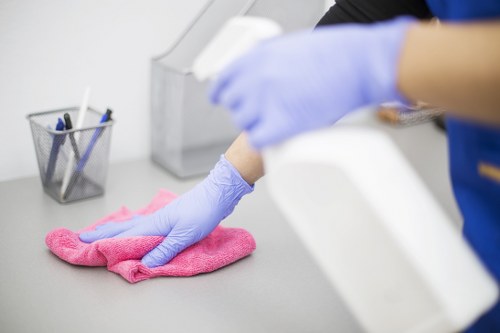
There are times when professional deep cleaning makes sense, especially if a home has been neglected for a while, if someone is moving in or out, or if the property needs a significant reset after a renovation or event. Professional cleaners bring experience, specialized equipment, and efficient systems that can save time and deliver excellent results.
People often choose professional deep cleaning when they want a more detailed finish than they can realistically achieve alone. This is particularly useful for hard-to-reach places, stubborn buildup, extensive dust, or homes with many surfaces that need careful treatment. It can also be a smart option for households dealing with limited time or physical constraints.
Deep cleaning in a professional setting may include detailed scrubbing, sanitizing, dust removal, appliance cleaning, and floor care performed with a structured process. If you are considering outside help, look for a team that understands your priorities and can tailor the service to the condition of the home.
Situations Where Professional Help Can Be Valuable
- Before or after a move
- After renovations or construction work
- Seasonal reset for a busy household
- After illness or extended absence
- When buildup has become difficult to handle alone
Maintenance After Deep Cleaning
Once a space has been thoroughly refreshed, the next goal is preservation. The best way to keep results lasting longer is to combine deep cleaning with simple daily and weekly habits. That way, dust and grime do not have a chance to build up again at the same pace.
Small actions make a big difference. Wiping counters after use, cleaning spills quickly, vacuuming high-traffic areas, and decluttering regularly all help maintain the benefits of deep cleaning. A clean and organized home is easier to manage when maintenance becomes part of the routine.
Deep cleaning in the long term is not about perfection. It is about setting up a space that stays livable, fresh, and easier to care for. When you treat deep cleaning as part of ongoing home care rather than a once-in-a-while emergency task, the whole environment improves.
Simple Maintenance Habits
- Do a 10-minute reset each evening
- Clean kitchen surfaces after meals
- Vacuum entryways and high-traffic floors often
- Dust before it becomes visible buildup
- Schedule seasonal deep cleaning tasks in advance
Final Thoughts on Deep Cleaning in Everyday Life
Deep cleaning is one of the most effective ways to restore comfort, cleanliness, and order to a home. It goes beyond appearances and addresses the hidden buildup that can affect health, organization, and daily convenience. Whether done room by room, seasonally, or with professional support, the process offers lasting value.
By making deep cleaning a regular part of your home care routine, you create a healthier environment and reduce the stress that comes with mess and clutter. The result is a space that feels brighter, easier to use, and more enjoyable for everyone in it.
If your home is overdue for a reset, now is the right time to act. Contact us today to discuss your needs and book your service now so you can enjoy the benefits of a truly refreshed space.