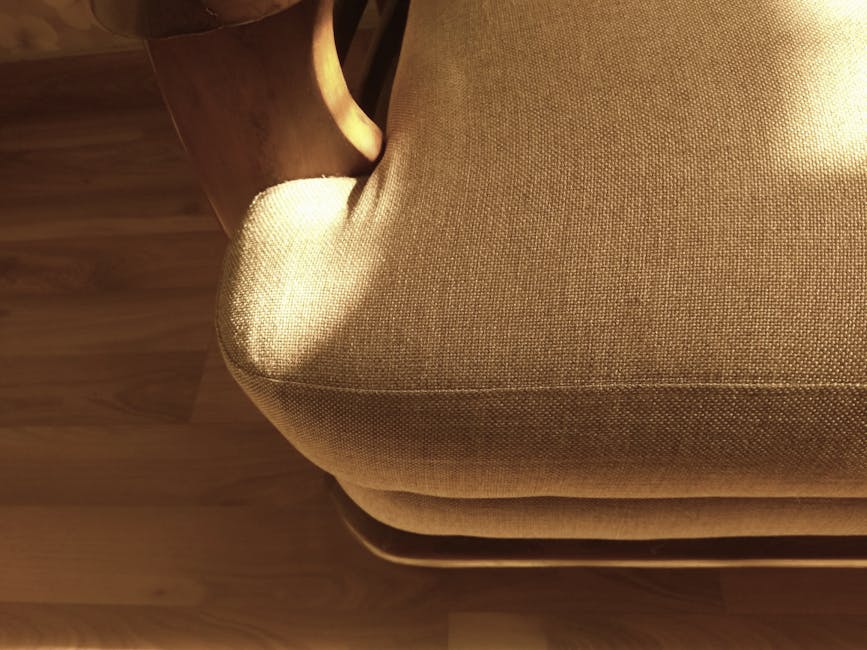
Upholstery cleaning before and after Canbury Gardens: what changes, what to expect, and how to get better results
If you've ever looked at a sofa in the soft daylight near Canbury Gardens and thought, "It didn't used to look like that," you're not alone. Upholstery cleaning before and after Canbury Gardens is less about a dramatic makeover and more about restoring comfort, hygiene, and the overall feel of a room. A well-cleaned armchair can brighten a whole living space. A tired-looking sofa can suddenly look cared for again. And truth be told, that difference often matters most when you've stopped noticing it day to day.
This guide explains what changes before and after an upholstery clean, how the process works, who benefits most, and how to avoid the common mistakes that can leave fabrics damp, patchy, or still marked. You'll also find practical advice on choosing a cleaning method, preparing your furniture, and deciding whether it makes sense to book a specialist. If you're in the wider Kingston area, you may also find our upholstery cleaning service in Kingston upon Thames useful, along with our broader services overview.
Table of Contents
- Why upholstery cleaning before and after Canbury Gardens matters
- How upholstery cleaning works
- Key benefits and practical advantages
- Who this is for and when it makes sense
- Step-by-step guidance
- Expert tips for better results
- Common mistakes to avoid
- Tools, resources and recommendations
- Law, compliance, standards, and best practice
- Options, methods, and comparison
- Case study or real-world example
- Practical checklist
- Conclusion
- Frequently asked questions
Why Upholstery cleaning before and after Canbury Gardens Matters
Upholstery does a quiet job in a home. It catches crumbs, skin oils, dust, pet hair, pollen, drink splashes, and the odd mystery mark that appears after a Sunday roast or a late tea. Near Canbury Gardens, where family life, riverside walks, and a fair bit of everyday coming and going are part of the rhythm, sofas and chairs often show wear faster than people expect.
The "before" stage is usually a mix of dullness, visible staining, flattened fibres, and a smell that is hard to name but easy to notice. The "after" is not just cleaner fabric. It is a room that feels fresher, looks more balanced, and usually smells far better too. On lighter fabrics, the difference can be striking. On darker or textured fabrics, the change may be more subtle, but still meaningful. That's the thing with upholstery cleaning: a good result is often felt before it is loudly seen.
It also matters because different fabrics react differently to dirt and cleaning products. Cotton blends, wool mixes, velvet, microfibre, linen-style weaves, and man-made fibres each need a slightly different approach. Clean the wrong way and you can set a stain, distort the pile, or leave a tide mark that looks worse than the original mark. Nobody wants that. Not on a Tuesday, not ever.
For homeowners, tenants, landlords, and small offices near Canbury Gardens, upholstery cleaning can also support a broader cleaning plan. It pairs well with domestic cleaning in Kingston upon Thames and can be especially useful before a property viewing or handover. If you are preparing a home for sale, a cleaner sofa can quietly lift first impressions, much like a tidy hallway or fresh carpet.
Practical takeaway: upholstery cleaning is not only about removing visible marks. It helps furniture last longer, improves indoor comfort, and makes a room feel properly looked after.
How Upholstery cleaning before and after Canbury Gardens Works
The process starts long before any machine is switched on. A good technician will inspect the fabric type, check for labels or manufacturer guidance, identify stains, and decide whether the item is suitable for wet cleaning, low-moisture cleaning, or a different treatment altogether. That initial assessment matters more than people think. It is the difference between a careful clean and a gamble.
In simple terms, most professional upholstery cleaning follows a sequence like this:
- Inspection - The fabric, stitching, wear points, and visible stains are checked carefully.
- Vacuuming - Loose dust, pet hair, and grit are removed first, especially from seams and creases.
- Pre-treatment - Stains and heavily soiled areas are treated with suitable solutions.
- Agitation or brushing - In some cases, light brushing helps loosen embedded soil.
- Extraction or low-moisture cleaning - Soil and cleaning solution are lifted from the fabric.
- Post-inspection - The technician checks for remaining marks, uniformity, and drying conditions.
What changes from before to after often depends on the fabric and the age of the staining. Fresh coffee spills, recent food stains, and everyday grime usually respond well. Older marks, dye transfer, ink, or long-set grease can be trickier. That is normal, not a failure. Upholstery is not a miracle canvas, and any honest cleaner should say so.
Drying is part of the process too. A clean sofa still needs proper airflow. Open windows, gentle heating, and careful use of fans can help, but over-wetting should be avoided. In real life, the best results often come from cleaning on a day when the room can be left alone for a few hours. Not ideal if you live in a busy household, but worth planning for.
If you want a broader understanding of how service selection affects results, our pricing and quotes page can help set expectations before you book.
Key Benefits and Practical Advantages
The obvious benefit is appearance. Clean upholstery looks brighter, more even, and more inviting. But the practical gains go beyond that. A proper clean can reduce trapped dust and allergens, lift stale odours, and help preserve the fabric structure by removing abrasive dirt particles. That matters because grit acts a bit like sandpaper over time. Quiet damage, really.
Here are the main advantages people usually notice:
- Better appearance: colours look fresher and fibres often stand up more evenly.
- Improved comfort: cleaned seating tends to feel less grimy and more pleasant to use.
- Less lingering odour: food smells, pet smells, and dampness can reduce noticeably.
- Longer furniture life: regular care may help delay premature wear.
- Better presentation: useful for homes, rentals, offices, and sale-ready interiors.
- More hygienic living space: especially where children, pets, or frequent guests are involved.
There is also a psychological benefit people don't always mention. A clean sofa can change how a room feels. It can make you want to sit down, put the kettle on, and stay a while. That sounds small, but it is often what makes cleaning feel worthwhile in the first place.
For people thinking about moving or presenting a property in Kingston, pairing upholstery care with guidance from our home selling guide for Kingston can be a smart move. Clean furnishings help buyers and renters imagine the space as lived-in but well cared for.
Who This Is For and When It Makes Sense
Upholstery cleaning is useful for more people than you might expect. It is not just for luxury sofas or obviously stained chairs. In fact, many of the best outcomes happen on ordinary furniture that has simply accumulated everyday wear.
This service tends to make the most sense for:
- Homeowners who want to refresh a living room, dining chairs, or a favourite armchair.
- Tenants preparing for an inventory check or end-of-tenancy clean.
- Landlords and letting agents managing presentation between tenancies.
- Families dealing with spills, pets, sticky hands, or constant use.
- Older homes where furniture has become dull but is otherwise still in good condition.
- Home office users who want a chair or soft seating area to look and smell clean.
It also makes sense before events. If you are hosting family, friends, or even a slightly chaotic birthday gathering, your upholstery gets noticed more than you might think. For local life and hosting ideas, see top spots for parties in Kingston and plan the before-and-after around your social calendar instead of after the wine glasses have already been clinked.
And if you're simply trying to keep your home in good shape, there is no shame in being proactive. Waiting until a sofa is visibly tired usually means it has already been absorbing dirt for months. Sometimes years.
Step-by-Step Guidance
Below is a practical way to approach upholstery cleaning before and after Canbury Gardens, whether you are doing light maintenance yourself or preparing for a professional visit.
1. Identify the fabric and the problem
Check the manufacturer label if there is one. Look for cleaning codes and note any special warnings. Then identify what you are dealing with: everyday dust, a food stain, pet odour, body oils, or a full-room refresh. Different problems need different methods, and one-size-fits-all cleaning is where mistakes begin.
2. Vacuum thoroughly
Use a clean upholstery attachment and work into seams, corners, under cushions, and around buttons. This removes grit that would otherwise be pushed around during cleaning. It also means the cleaner can focus on actual fabric soil rather than loose debris.
3. Test a hidden spot
Even if a product claims to be suitable for upholstery, always test it in an out-of-sight area first. Fabrics can react differently depending on dye, finish, pile, and age. A small test patch is boring, yes, but boring is good here.
4. Treat stains carefully
Blot, don't scrub. Scrubbing spreads the stain, roughs up the fibres, and can create a fuzzy patch. Use the right spot treatment for the stain type and avoid soaking the area.
5. Clean evenly
Whether using low-moisture methods or hot-water extraction, the goal is even coverage. Uneven cleaning can leave rings or patchy drying marks. Professionals usually work in sections to keep the finish consistent.
6. Dry properly
Open windows if weather allows, keep air moving, and avoid sitting on the furniture too soon. A sofa can feel touch-dry on top while still holding moisture deeper inside. Let's face it, nobody wants a damp seat cushion at the end of the day.
7. Review the result
Look at the fabric from different angles and in different light. Afternoon daylight often reveals things overhead lights miss. If a mark remains, ask whether it has been reduced, set, or simply needs a second treatment. A good cleaner will explain that clearly.
Expert Tips for Better Results
Good upholstery cleaning is partly about the product and partly about the habits around it. Little things make a real difference.
- Vacuum before the cleaner arrives. It saves time and improves the outcome.
- Move cushions and throws in advance. Hidden dust pockets are common.
- Tell the cleaner about old stains honestly. Age, origin, and previous DIY attempts all matter.
- Control drying conditions. Warm, ventilated rooms usually work best.
- Use fabric protectors carefully. They can help, but only when appropriate for the material.
- Schedule cleaning before the furniture looks exhausted. Prevention is easier than rescue.
A small but important tip: don't keep adding more product if a stain is not shifting immediately. That often creates residue, and residue attracts dirt later. The sofa may look cleaner today and odd by next week. Not ideal.
For homes that are being refreshed more broadly, upholstery work often pairs well with house cleaning in Kingston upon Thames or a fuller domestic cleaning service. That gives the room a more complete finish, not just a single cleaned item sitting in a still-dusty space.
Common Mistakes to Avoid
Most upholstery cleaning problems come from being a bit too enthusiastic. To be fair, that is human. But fabric does not reward guesswork.
- Using too much water: over-wetting can leave marks, cause long drying times, and in some cases affect the padding underneath.
- Rubbing stains hard: this pushes the stain deeper and can damage pile or texture.
- Skipping pre-vacuuming: dirt then turns into muddy residue during cleaning.
- Trying random household products: bleach, harsh sprays, and strong detergents can discolour or stiffen fabric.
- Ignoring care labels: those little symbols are not decoration.
- Sitting on the upholstery too soon: this can flatten damp fibres and affect the finish.
- Expecting every stain to vanish: some are removable, some are only reducible, and some are permanent.
A common scenario is the "we tried to clean it ourselves first" sofa. It often arrives with a wider patch than the original stain. Happens all the time. Not a disaster, but it does make the job more involved.
Tools, Resources and Recommendations
If you are handling light maintenance between professional cleans, a few sensible tools go a long way. Nothing fancy required. In fact, simple is often safer.
| Tool or resource | What it helps with | Best use |
|---|---|---|
| Upholstery vacuum attachment | Dust, crumbs, pet hair | Weekly or fortnightly maintenance |
| Soft brush | Loosening surface debris | Before vacuuming or light grooming |
| Microfibre cloth | Blotting spills gently | Immediate spill response |
| Fabric-safe spot cleaner | Targeted stain treatment | Only after a test patch |
| Fans or open windows | Drying support | After cleaning |
For more involved cleaning, it is usually better to use a specialist service than to rent equipment and hope for the best. If you want to understand the scope of available options first, the services overview and about us pages are helpful places to start. If you have concerns about safety on site, the company's insurance and safety information is worth reading too.
And yes, a really good vacuum matters. A lot. It is one of those mundane things people underappreciate until the first pass pulls up a surprising amount of dust.
Law, Compliance, Standards, and Best Practice
For upholstery cleaning, the main compliance concerns are usually practical rather than legal. Still, a trustworthy provider should follow sensible UK health and safety standards, use products responsibly, and handle customer property with care. If a company uses chemicals, it should be clear about safe handling, ventilation, and any risks to children, pets, or sensitive fabrics.
From a customer perspective, best practice includes:
- clear explanation of what can and cannot be achieved;
- transparent pricing or quoting before work begins;
- careful use of suitable methods for the fabric type;
- respect for the property and any special instructions;
- proper complaints and follow-up procedures if something goes wrong.
If you like knowing where you stand, it is sensible to review pages such as terms and conditions, privacy policy, payment and security, and complaints procedure. Those pages help set expectations, which is always reassuring when you are inviting someone into your home or office.
There is also a wider ethical angle. Many customers prefer to use companies that publish a clear modern slavery statement and show a responsible approach to operations. It does not affect the stain on your sofa directly, of course, but it does say something about how the business is run.
Accessibility matters too. If you need information in a different format, the accessibility statement is a useful reference. Small detail, big confidence boost.
Options, Methods, and Comparison Table
Different upholstery cleaning methods suit different fabrics and different levels of soil. The "best" method is not always the deepest-looking one. Sometimes the safest approach gives the best long-term result.
| Method | Best for | Pros | Watch out for |
|---|---|---|---|
| Hot-water extraction | Durable fabrics with heavier soil | Strong cleaning power, good for embedded dirt | Longer drying times if overused |
| Low-moisture cleaning | Sensitive or lightly soiled upholstery | Faster drying, gentler on some fabrics | May need more detailed spot treatment |
| Dry foam or specialised surface cleaning | Delicate textiles and maintenance cleans | Less water, lower saturation risk | Not always suitable for deep staining |
| Spot treatment only | Small isolated marks | Quick and targeted | Won't refresh the whole item |
In many homes, the real decision is not between perfect options and poor options. It is between an appropriate method and an inappropriate one. That's the useful distinction. If a sofa has delicate stitching or a fabric that shades easily, a gentler approach may be the smarter call even if it looks less dramatic during the process.
For wider property decisions in the area, you might also want to read our Kingston real estate guide and local opinions on Kingston's quality of life. They are not upholstery guides, obviously, but they help explain why presentation and upkeep matter so much around here.
Case Study or Real-World Example
Here is a realistic example based on a typical local clean rather than a dramatic before-and-after stunt. A family living near Canbury Gardens had a three-seater fabric sofa that looked slightly grey in the arms and seat cushions. There were a few small food marks, some general dullness, and a smell that had become noticeable after months of daily use. Nothing catastrophic, just the kind of wear people slowly stop seeing.
Before the clean, the sofa was vacuumed, cushions were checked, and the fabric was identified as a durable blend suitable for controlled wet cleaning. The cleaner treated the main marks first, then worked across the full seating area to avoid patchy results. Drying was managed with ventilation and time rather than any rush. Sensible, really.
Afterwards, the change was clear but believable. The colour looked more even, the arms were visibly fresher, and the room no longer had that faint stale note that had been hard to pin down. The family did not get a "new sofa" look. They got a "this sofa has been looked after properly" look. And honestly, that is often the win.
This kind of result is especially valuable if you are also preparing a property for a viewing, tenancy handover, or a seasonal home reset. It sits neatly alongside end of tenancy cleaning in Kingston upon Thames, particularly when soft furnishings are part of the inspection picture.
Practical Checklist
Use this quick checklist before and after upholstery cleaning so nothing obvious gets missed.
- Identify the fabric type and check the care label
- Vacuum cushions, seams, and hidden areas thoroughly
- Test any product in a hidden spot
- Tell the cleaner about old marks or previous treatments
- Move fragile items away from the cleaning area
- Plan for drying time and ventilation
- Avoid sitting or placing items on the upholstery too soon
- Inspect the finish in daylight when possible
- Keep notes on what worked well for future cleans
- Book regular maintenance before the fabric becomes heavily soiled
Expert summary: the best upholstery cleaning results come from good preparation, the right method for the fabric, and realistic expectations. If those three things line up, the before-and-after difference is usually worth it.
Conclusion
Upholstery cleaning before and after Canbury Gardens is ultimately about more than appearances. It is about bringing comfort back into a room, protecting the life of your furniture, and making the whole space feel cleaner in a way you can actually notice. The changes may be dramatic, or they may be subtle. Either way, they matter.
For some people, the trigger is a spill. For others, it is moving house, hosting guests, or simply reaching the point where the sofa no longer feels fresh. Whatever the reason, a considered clean can make a surprisingly big difference. And if you want that result without the trial-and-error stress, a local professional approach is often the calmest route.
Get a free quote today and see how much you can save.
Whether you are freshening up one favourite chair or planning a full home reset, a thoughtful clean can quietly improve the feel of everyday life. Sometimes that is the real before-and-after.
Frequently Asked Questions
What should upholstery look like before cleaning?
Before cleaning, upholstery often shows dullness, dust, flattened fibres, small stains, or light odours. Even if it does not look visibly dirty, everyday soil can still be embedded in the fabric.
What does upholstery usually look like after professional cleaning?
After cleaning, the fabric should look fresher, feel cleaner, and smell less stale. Stains may be reduced or removed, although older or stubborn marks may not disappear completely.
How long does upholstery take to dry after cleaning?
Drying time depends on fabric type, cleaning method, room temperature, and ventilation. Some items dry fairly quickly, while others need several hours. It is best to plan ahead rather than rush it.
Is upholstery cleaning safe for delicate fabrics?
It can be, but only if the correct method is chosen. Delicate fabrics often need low-moisture or specialist treatment, and a test patch is usually essential.
Can upholstery cleaning remove pet smells?
It often reduces pet odours significantly, especially if the smell is on the surface or in light soiling. Deep, long-standing odours may need more than a single clean.
Should I vacuum before upholstery cleaning?
Yes. Vacuuming first removes loose dust, crumbs, and hair, which improves the effectiveness of the clean and helps prevent grit from being worked deeper into the fabric.
How often should upholstery be cleaned?
That depends on use. Busy family homes, pet households, and frequently used sofas may need cleaning more often than a rarely used spare room chair. Regular light maintenance helps delay heavy soil build-up.
Can I clean upholstery myself?
You can handle light maintenance, spot blotting, and routine vacuuming yourself. For stained, delicate, or valuable furniture, a professional clean is usually the safer choice.
Will upholstery cleaning remove every stain?
No method can promise that. Some stains are permanent, some have set into the fibres, and some may have reacted with the fabric. A good cleaner should explain what is realistic before starting.
Is upholstery cleaning worth it before selling a home?
Yes, often it is. Clean sofas and chairs help a property feel more cared for and can improve the overall impression during viewings. It pairs well with broader preparation, especially if you are following a selling-your-home-in-Kingston guide.
What should I ask a cleaner before booking?
Ask about fabric suitability, the cleaning method they plan to use, drying times, stain expectations, and how they handle damage or complaints. Clear answers are usually a good sign.
Does upholstery cleaning matter for end of tenancy checks?
Yes, especially if furniture is included in the inventory or the property has soft furnishings that need to be left in a good condition. It can support a more complete finish alongside other end-of-tenancy tasks, including the advice in our Kingston KT1 end-of-tenancy cleaning tips.